Collaborations
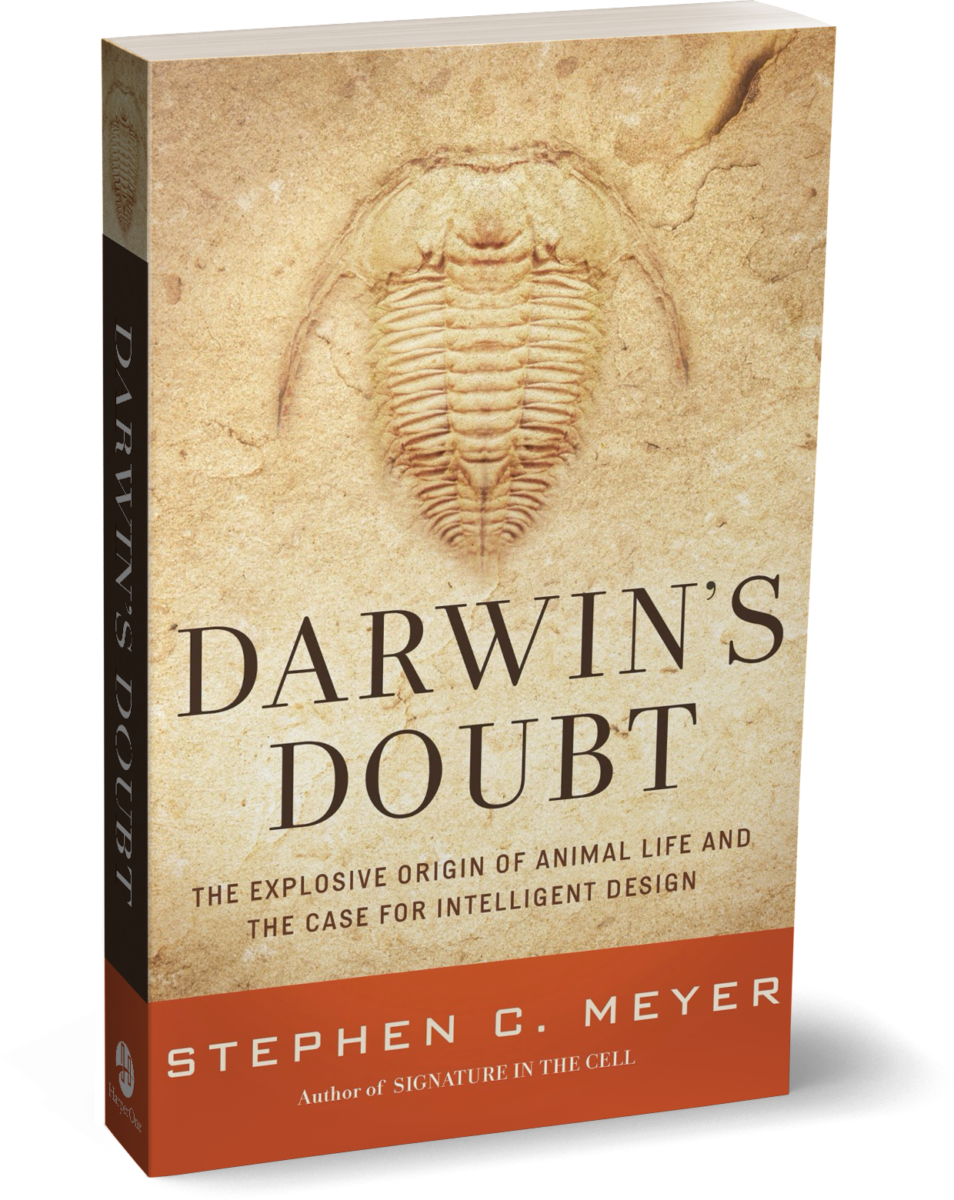
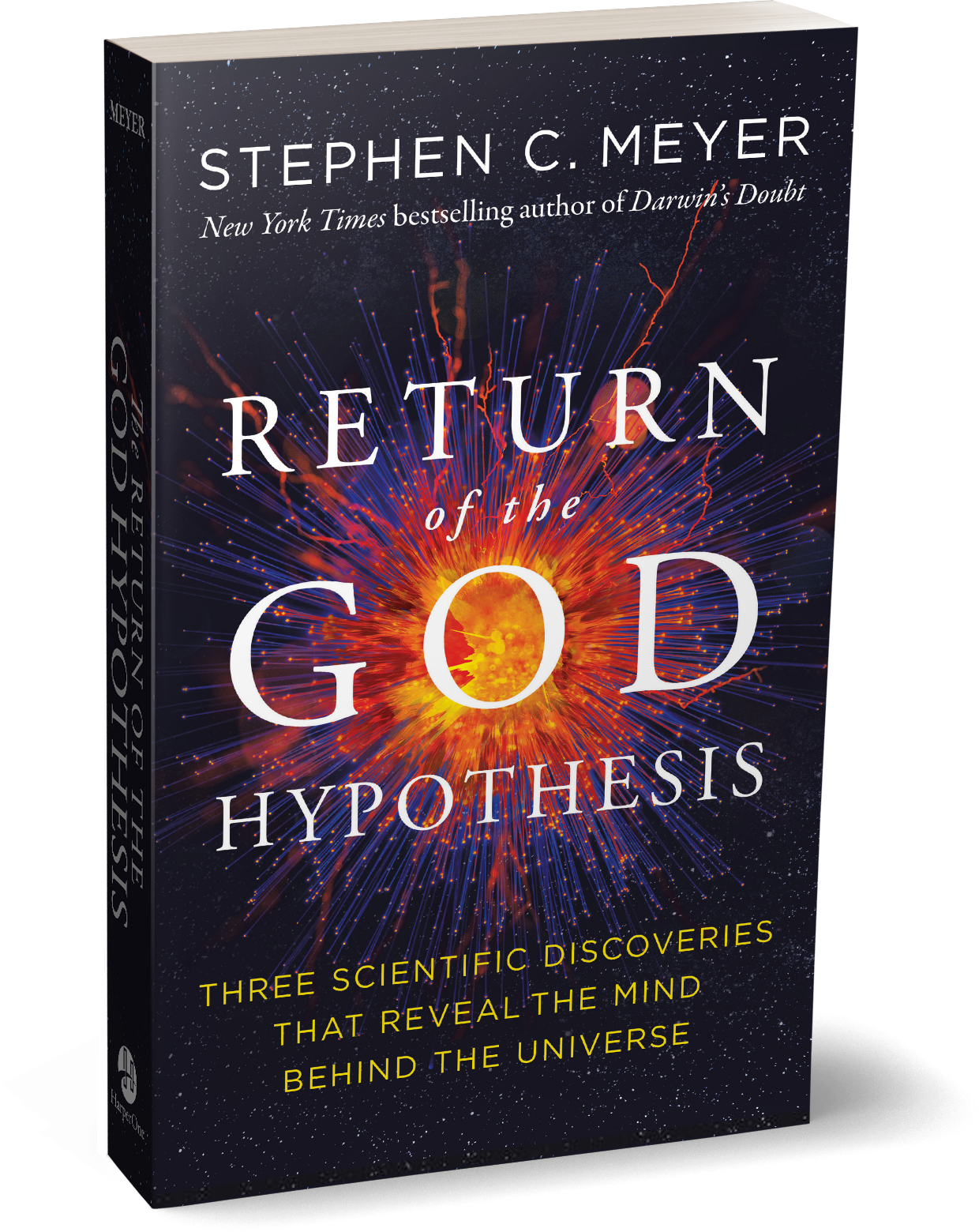
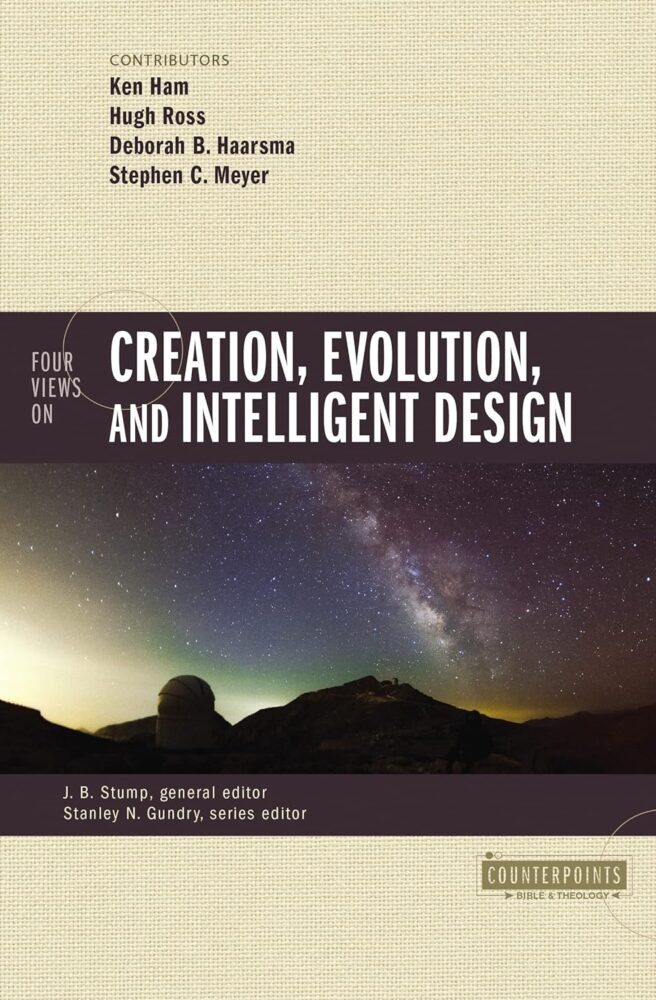
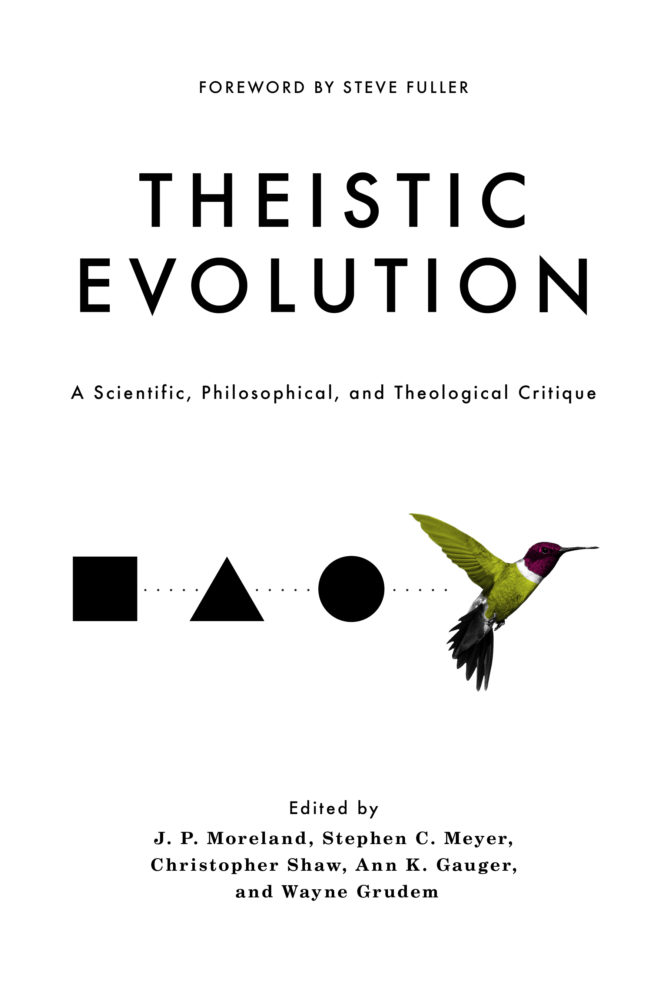
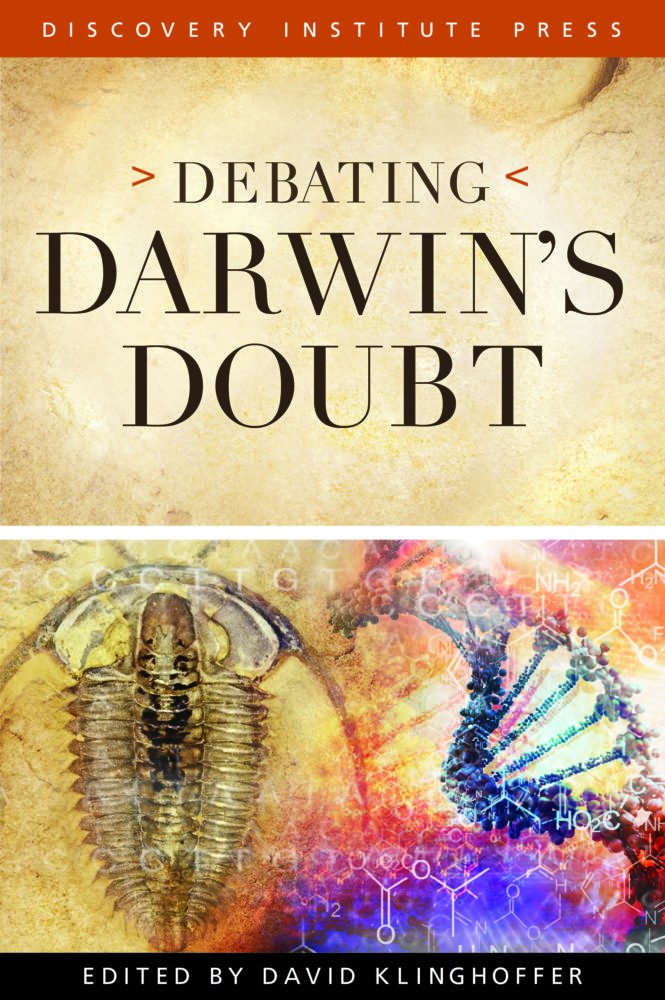
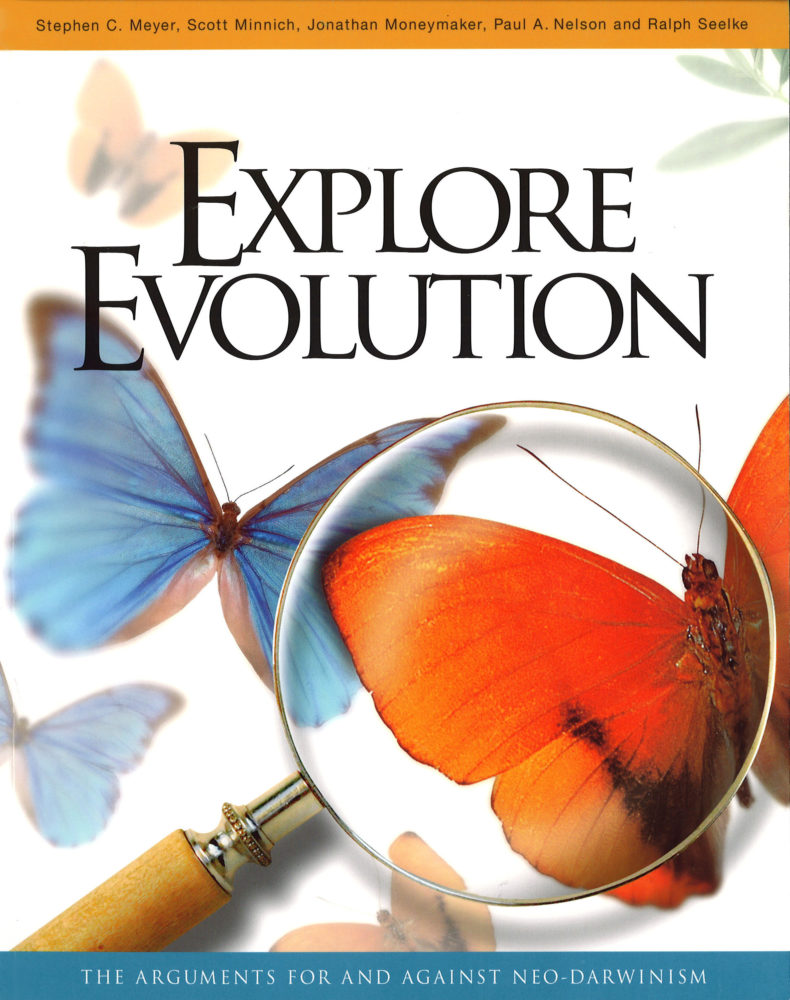
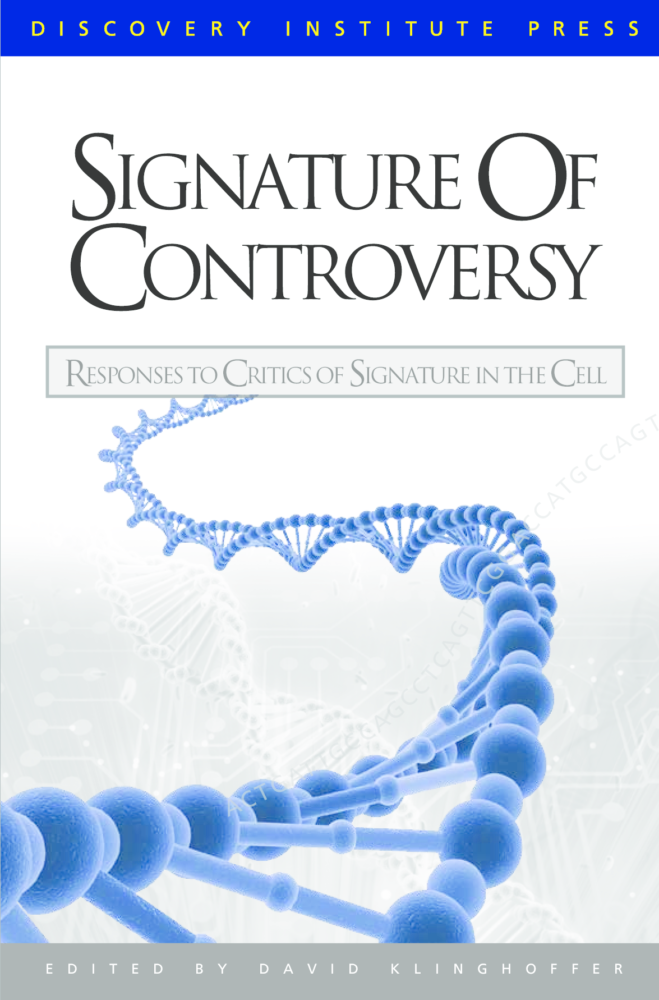
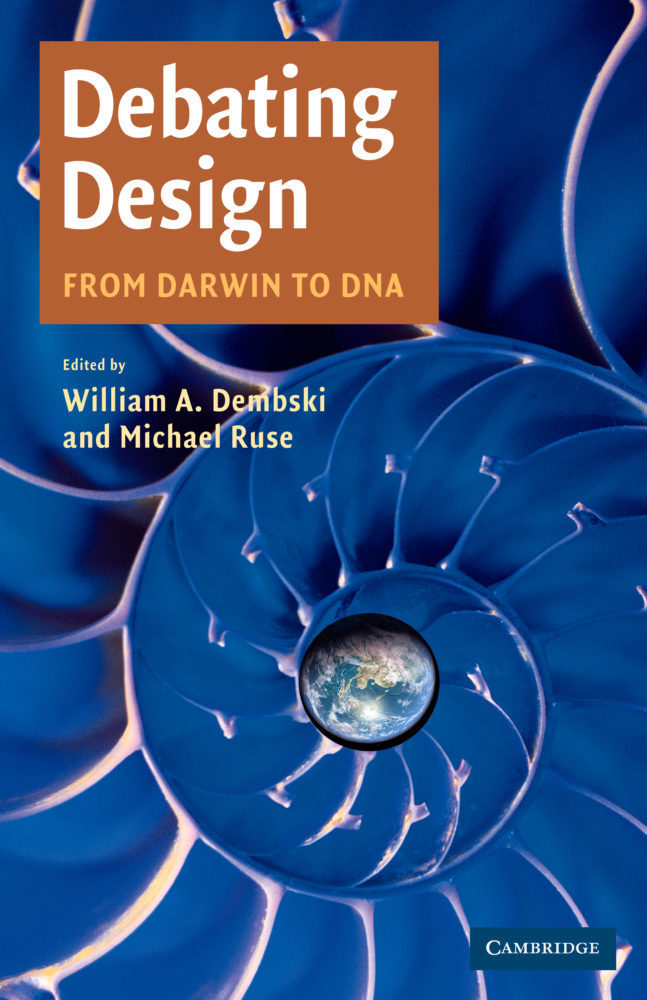
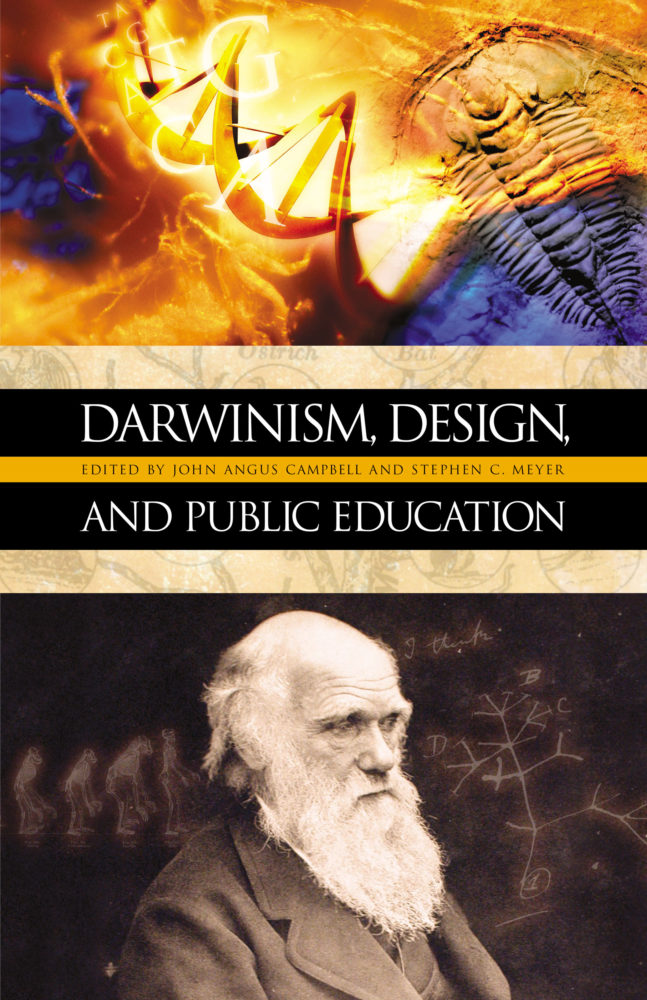
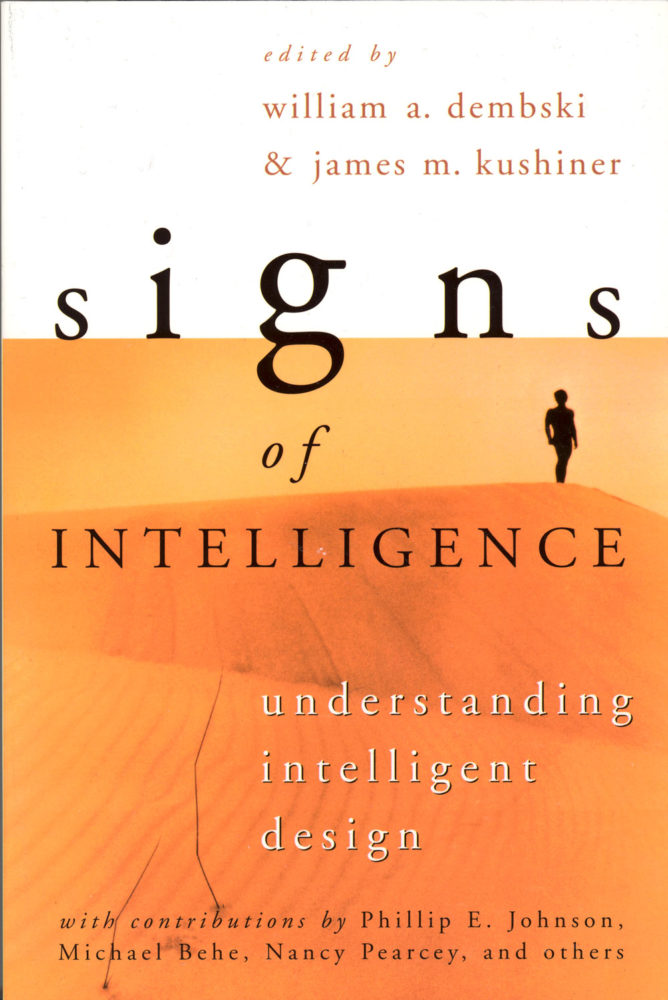
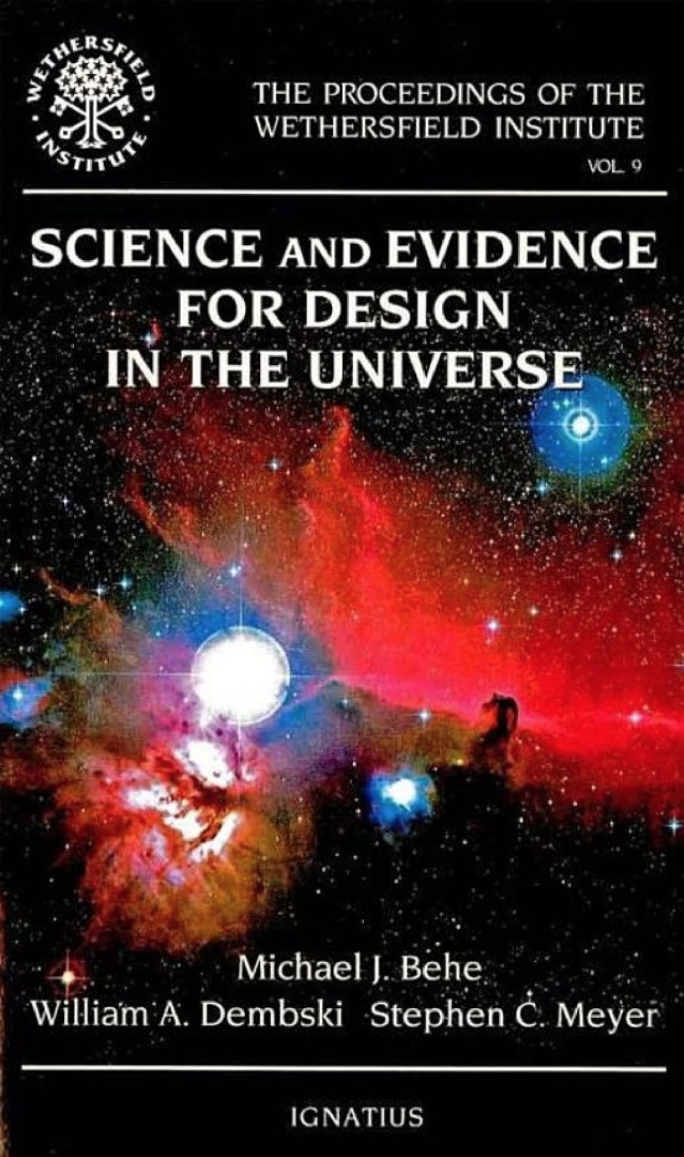
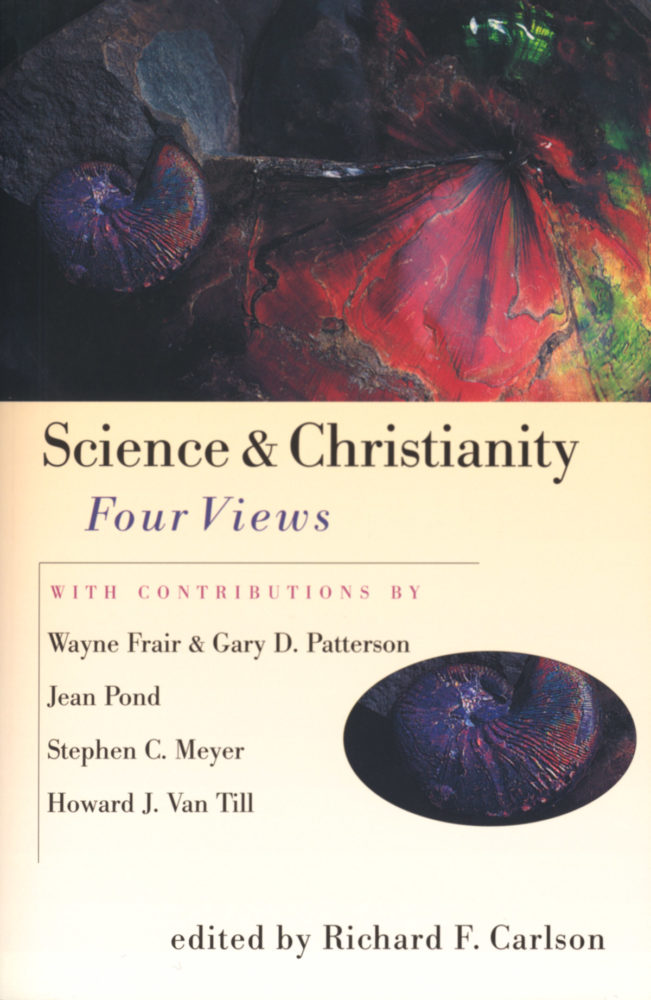
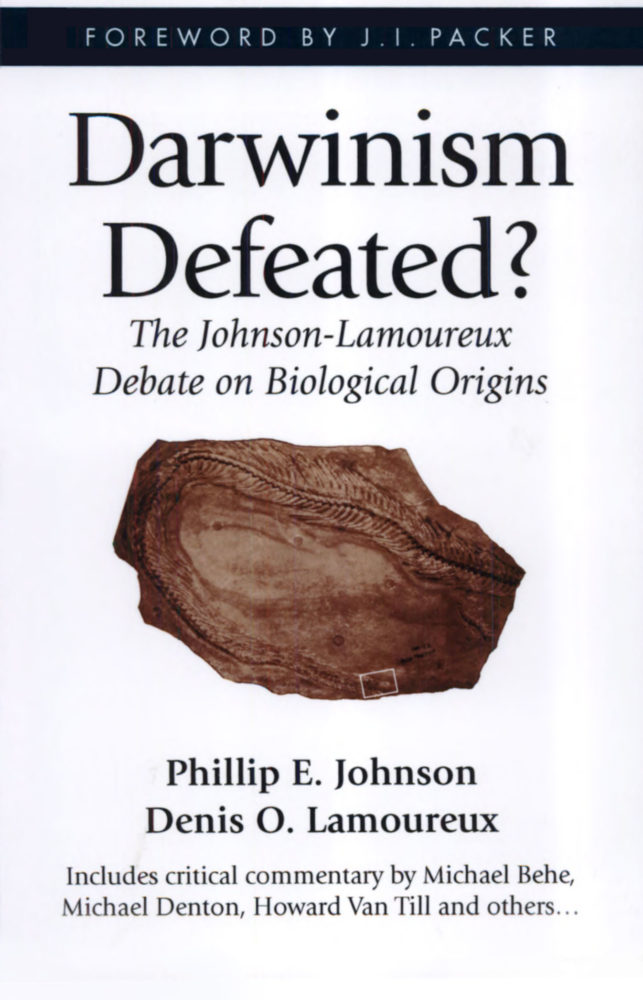
Guillermo Gonzalez, Brian Miller, Stephen C. Meyer, Michael Newton Keas, Casey Luskin, James Tour and Marcos Nogueira Eberlin December 20, 2022 2 The book argues that modern science provides undeniable evidence and a scientific basis for these classical arguments to infer a rationally justifiable endorsement of theism as being concordant with reason and science — nature is seen as operating orderly on comprehensible, rational, consistent laws, in line with the conviction that God is Creator. James Stump and Stanley N. Gundry. Contributors: Ken Ham, Hugh Ross, Deborah Haarsma, and Stephen C. Meyer November 21, 2017 1 Four Views on Creation, Evolution, and Intelligent Design presents the current “state of the conversation” about origins among evangelicals representing four key positions: Young Earth Creationism – Ken Ham (Answers in Genesis) Old Earth (Progressive) Creationism – Hugh Ross (Reasons to Believe) Evolutionary Creation – Deborah B. Haarsma (BioLogos) Intelligent Design – Stephen C. Meyer (The Discovery Institute) The contributors offer their best defense of their position addressing questions such as: What is your position on origins – understood broadly to include the physical universe, life, and human beings in particular? What do you take to be the most persuasive arguments in defense of your position? How do you demarcate and correlate evidence … A Scientific, Philosophical, and Theological Critique J.P. Moreland, Stephen C. Meyer, Ann Gauger and John G. West October 30, 2017 11 Featuring two dozen highly credentialed scientists, philosophers, and theologians from Europe and North America, this volume contests this proposal, documenting evidential, logical, and theological problems with theistic evolution ― making it the most comprehensive critique of theistic evolution yet produced. A Scientific Controversy that Can No Longer Be Denied David Klinghoffer, Paul Nelson, William A. Dembski, Stephen C. Meyer, Casey Luskin, Douglas Axe, David Berlinski and Richard Sternberg June 24, 2014 4 Stephen Meyer’s book Darwin’s Doubt: The Explosive Origin of Animal Life and the Case for Intelligent Design became a national bestseller, provoking a wide-ranging debate about the adequacy of Darwinian theory to explain life’s history. In Debating Darwin’s Doubt: A Scientific Controversy that Can No Longer Be Denied, leading scholars in the intelligent design community respond to critiques of Meyer’s book and show that the core challenge posed by Meyer remains unanswered. The Arguments for and Against Neo-Darwinism Stephen C. Meyer, Scott Minnich, Jonathan Moneymaker, Paul Nelson and Ralph Seelke July 1, 2013 1 Designed for high school AP biology and above, Explore Evolution objectively presents the scientific evidence both for and against key aspects of Darwinian evolution. It promotes inquiry-based learning, encouraging students to participate in the process of discovery, deliberation, and argument that scientists use to form their theories. Responses to Critics of Signature in the Cell David Klinghoffer, David Berlinski, Casey Luskin, Richard Sternberg, Jay W. Richards, Stephen C. Meyer and Paul Nelson March 1, 2011 1 Signature of Controversy is a response to the 2009 bestseller Signature in the Cell by Stephen C. Meyer, a book recognized as establishing one of the strongest pillars underlying the argument for intelligent design. To call Signature in the Cell important is an understatement. The critical response that followed the publication of Stephen Meyer’s book was fascinating, but the fact is that few — if any — of the critics really grappled with the crux of Meyer’s argument or with the substance of intelligent-design theory. This is remarkable and telling. In Signature of Controversy, defenders of intelligent design analyze the hostile response using the critics’ own writings. Edited by David Klinghoffer and including essays by David … From Darwin to DNA William A. Dembski, Michael J. Behe, Walter Bradley and Stephen C. Meyer July 12, 2004 5 This Cambridge University Press volume, co-edited by leading design theorist William Dembski, and leading Darwinist philosopher of science Michael Ruse, provides perspectives from scholars on many sides of the ID-debate. The book provides a perfect template for those who would be interested in a comprehensive approach to biological origins in schools: it contains essays by proponents of Darwinism, self-organization, and intelligent design. The volume begins with points of agreement between Darwinist philosopher of science Michael Ruse and leading intelligent design theorist and Discovery Institute Senior Fellow William Dembski. They agree that intelligent design faces harsh intolerance from the powers that be in the scientific community. Essays by design critics then go on to … David K. DeWolf, William A. Dembski, Stephen C. Meyer, Michael J. Behe, Paul Nelson, Jonathan Wells, Walter Bradley, Phillip E. Johnson and Michael Newton Keas November 30, 2003 5 This balanced volume contains essays by both supporters and critics debating intelligent design and whether design should be allowed in public school science classes. The scholars approach the question from the standpoints of constitutional law, philosophy, rhetoric, education, and science. Understanding Intelligent Design William Dembski March 1, 2001 6 A collection of essays from various scholars of the intelligent design movement explaining the precise meaning of the scientific theory of intelligent design. The essays threaten a wide variety of disciplines behind the curtain of Darwinism. Papers Presented at a Conference Sponsored by the Wethersfield Institute, New York City, September 25, 1999 Michael J. Behe, Stephen C. Meyer and William A. Dembski October 1, 2000 2 As progress in science continues to reveal unimagined complexities, three scientists revisit the difficult and compelling question of the origin of our universe. As mathematician, biochemist, and philosopher of science, they explore the possibility of developing a reliable method for detecting an intelligent cause and evidence for design at the origin of life. In the process, they present a strong case for opening and pursuing a fruitful exchange between science and theology. Mathematician William Dembski, author of The Design Inference, first argues that new developments in the information sciences make intelligent design objectively and scientifically detectable — he identifies the signs of design. Next, philosopher of science, Stephen Meyer, and biochemist Michael Behe, … Four Views Wayne Frair, Gary D. Patterson, Jean Pond, Stephen C. Meyer, and Howard J. Van Til September 28, 2000 4 At the beginning of the 21st century, Christians continue to wonder whether faith and science are partners or opponents. In this book, six scholars sort through the issues as they present four views on the relationship of science and Christianity. These views include creationism, independence, qualified agreement, and partnership. Contributor Jean Pond is a proponent of the “independence” model. She thus agrees with agnostic Darwinist Stephen Jay Gould that “Science and religion are not in conflict, for their teachings occupy distinctly different domains.” (pg. 71) But Senior Discovery Institute fellow Stephen C. Meyer disagrees. Meyer responds to this view by observing that in reality, science and religion often tread upon the same ground, for … An Encyclopedia William Lane Craig, William A. Dembski, Stephen C. Meyer, Richard Weikart and Robin Collins June 13, 2000 6 This comprehensive volume covers the history of science and religion in Western Civilization with dozens of contributions from leading scholars. Discovery Fellow Stephen C. Meyer authors the entry “The Demarcation of Science and Religion,” where he notes that some theologians have defined religion as the study of God through revelation, while science is the study of the natural world. Meyer recounts how one court testing creationism in the 1980s accepted the testimony of philosopher Michael Ruse to define science as “(1) guided by natural law, (2) explanatory by natural law, (3) testable against the empirical world, (4) tentative, and (5) falsifiable” (pg. 22), but that this definition was subsequently repudiated by various philosophers of science. Indeed, by … The Johnson-Lamoureux Debate on Biological Origins Phillip E. Johnson, Stephen C. Meyer, Michael J. Behe and Jonathan Wells September 1, 1999 4 This volume contains a debate between design advocate Phillip E. Johnson and evolutionary biologist Denis Lamoureux, with commentary from other scholars in this debate. Though differing in opinion over evolution, all contributors are Christians who conduct the discussion in a civil manner. Dr. Lamoureux asks challenging questions of Johnson, asserting that Johnson’s position is based upon “God-of-the-gaps” type arguments. Lamoureax also challenges Johnson’s arguments on the fossil record, claiming that there are examples of transitional forms. Lamoureax ends by pressing Johnson to list “how many university-level courses you have successfully completed in biology, and could you be specific in your answer indicating what type of biology these … Proceedings of a Symposium Entitled "Darwinism: Scientific Inference Or Philosophical Preference?" Jon A. Buell July 1, 1994 2 This volume presents papers presented at an early conference at Southern Methodist University in 1992 which was a landmark event in uniting scholars who now make up the intelligent design movement. Phillip Johnson, Program Advisor for Discovery Institute’s Center for Science and Culture, explains that evolution is based upon assumptions of naturalism, which are often unsupported by the evidence. Johnson recounts both fossil and genetic evidence which are difficult to explain under evolution. Moreover, Johnson finds that many Darwinists have used the theory to promote materialism under the guise of science. Michael Ruse responds to Johnson by noting that evolution does not have to be true, but that it is supported by Mendelian genetics and the explanatory power of natural …